


·
6 min read
·
6 min read
How much can you really save with solar?
How much can you really save with solar?
Introduction
Solar savings also depend heavily on system efficiency and installation quality. A well-designed solar setup with properly positioned panels can significantly increase energy generation and improve overall return on investment. In contrast, poorly optimized systems may reduce performance and extend the payback period, limiting long-term financial benefits. Another important factor is local energy consumption patterns and seasonal weather conditions. Regions with consistent sunlight throughout the year typically generate more predictable energy output, while areas with seasonal variations.
Government policies, tax credits, and renewable energy programs also play a major role in determining final savings. Incentives such as rebates and net metering can substantially reduce upfront costs and increase lifetime value. As energy prices continue to rise globally, solar remains a strong long-term investment across nearly all regions.
What affects solar savings
Solar savings vary significantly based on multiple real-world conditions that directly influence how efficiently a system performs and how much financial return it generates over time. Every location, property type, and energy usage pattern creates a different savings outcome, making solar a highly customized investment rather than a fixed-value solution.
Among the most important factors are electricity rates, sunlight exposure, system design, and available government incentives. Higher utility costs generally lead to faster savings, while strong sunlight conditions improve energy production. When combined with proper system sizing and quality installation, these factors determine both the speed of payback and the total long-term financial benefit of a solar energy system.
Smart solar adoption is not just cost saving, it is long-term energy independence and financial stability.”
— Hotel Director, Alpine Resort

Smart solar adoption is not just cost saving, it is long-term energy independence and financial stability.”
— Hotel Director, Alpine Resort
High savings states
Some states offer the highest solar savings due to strong sunlight and high electricity costs. These conditions allow solar systems to generate maximum value quickly. States like California, Arizona, Nevada, Texas, and Florida typically see some of the fastest returns on solar investment. Homeowners in these regions often experience substantial reductions in monthly electricity bills within the first year of installation.
High electricity costs make solar savings significantly faster and more impactful
Strong sunlight exposure increases energy production and overall system efficiency
Favorable net metering policies improve long-term financial returns for homeowners
Rapid payback period creates strong investment value for solar adoption
Moderate savings states
In states with moderate sunlight or average electricity prices, solar still provides strong long-term value. Savings may accumulate more gradually but remain consistent over time. New York, New Jersey, Illinois, Colorado, and North Carolina fall into this category. These regions benefit significantly from net metering programs and rising utility costs.
Emerging solar regions
Even in states with lower sunlight exposure, solar continues to be a valuable investment due to increasing energy prices and improved technology efficiency. Washington, Oregon, Minnesota, Michigan, and Pennsylvania are examples where savings grow steadily over time. While initial returns may be slower, long-term financial benefits remain strong.
Growing adoption of solar due to rising electricity costs nationwide
Moderate sunlight still provides consistent long-term renewable energy benefits
Improving solar technology increases efficiency even in low sunlight areas
Government incentives and rebates support wider solar energy adoption growth
Average national savings
On average, homeowners in the United States can reduce electricity bills by 40% to 70% depending on system size, energy consumption, and location. Over a 25-year system lifespan, this can translate into tens of thousands of dollars in total savings. Businesses with higher energy usage often see even greater financial impact due to larger system installations and higher daytime consumption.
Introduction
Solar savings also depend heavily on system efficiency and installation quality. A well-designed solar setup with properly positioned panels can significantly increase energy generation and improve overall return on investment. In contrast, poorly optimized systems may reduce performance and extend the payback period, limiting long-term financial benefits. Another important factor is local energy consumption patterns and seasonal weather conditions. Regions with consistent sunlight throughout the year typically generate more predictable energy output, while areas with seasonal variations.
Government policies, tax credits, and renewable energy programs also play a major role in determining final savings. Incentives such as rebates and net metering can substantially reduce upfront costs and increase lifetime value. As energy prices continue to rise globally, solar remains a strong long-term investment across nearly all regions.
What affects solar savings
Solar savings vary significantly based on multiple real-world conditions that directly influence how efficiently a system performs and how much financial return it generates over time. Every location, property type, and energy usage pattern creates a different savings outcome, making solar a highly customized investment rather than a fixed-value solution.
Among the most important factors are electricity rates, sunlight exposure, system design, and available government incentives. Higher utility costs generally lead to faster savings, while strong sunlight conditions improve energy production. When combined with proper system sizing and quality installation, these factors determine both the speed of payback and the total long-term financial benefit of a solar energy system.
Smart solar adoption is not just cost saving, it is long-term energy independence and financial stability.”
— Hotel Director, Alpine Resort
High savings states
Some states offer the highest solar savings due to strong sunlight and high electricity costs. These conditions allow solar systems to generate maximum value quickly. States like California, Arizona, Nevada, Texas, and Florida typically see some of the fastest returns on solar investment. Homeowners in these regions often experience substantial reductions in monthly electricity bills within the first year of installation.
High electricity costs make solar savings significantly faster and more impactful
Strong sunlight exposure increases energy production and overall system efficiency
Favorable net metering policies improve long-term financial returns for homeowners
Rapid payback period creates strong investment value for solar adoption
Moderate savings states
In states with moderate sunlight or average electricity prices, solar still provides strong long-term value. Savings may accumulate more gradually but remain consistent over time. New York, New Jersey, Illinois, Colorado, and North Carolina fall into this category. These regions benefit significantly from net metering programs and rising utility costs.
Emerging solar regions
Even in states with lower sunlight exposure, solar continues to be a valuable investment due to increasing energy prices and improved technology efficiency. Washington, Oregon, Minnesota, Michigan, and Pennsylvania are examples where savings grow steadily over time. While initial returns may be slower, long-term financial benefits remain strong.
Growing adoption of solar due to rising electricity costs nationwide
Moderate sunlight still provides consistent long-term renewable energy benefits
Improving solar technology increases efficiency even in low sunlight areas
Government incentives and rebates support wider solar energy adoption growth
Average national savings
On average, homeowners in the United States can reduce electricity bills by 40% to 70% depending on system size, energy consumption, and location. Over a 25-year system lifespan, this can translate into tens of thousands of dollars in total savings. Businesses with higher energy usage often see even greater financial impact due to larger system installations and higher daytime consumption.
Related Posts
Related Posts

Technology
Apr 22, 2026
·
4 min read
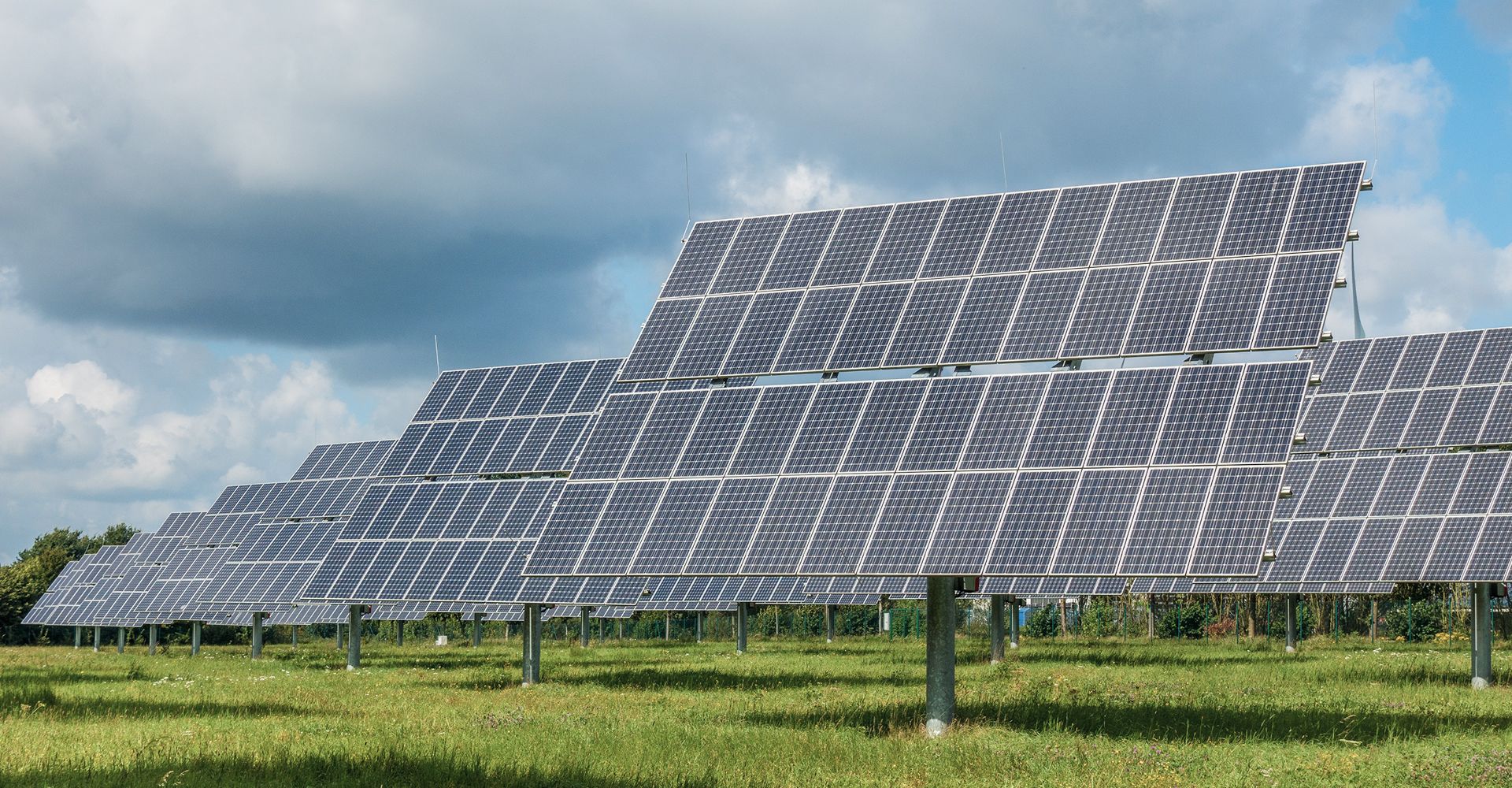
Why solar battery storage matters for modern homes
Technology
Apr 22, 2026
·
4 min read
Why solar battery storage matters for modern homes
Technology
Apr 22, 2026
·
4 min read
Why solar battery storage matters for modern homes
Finance
Apr 10, 2026
·
5 min read
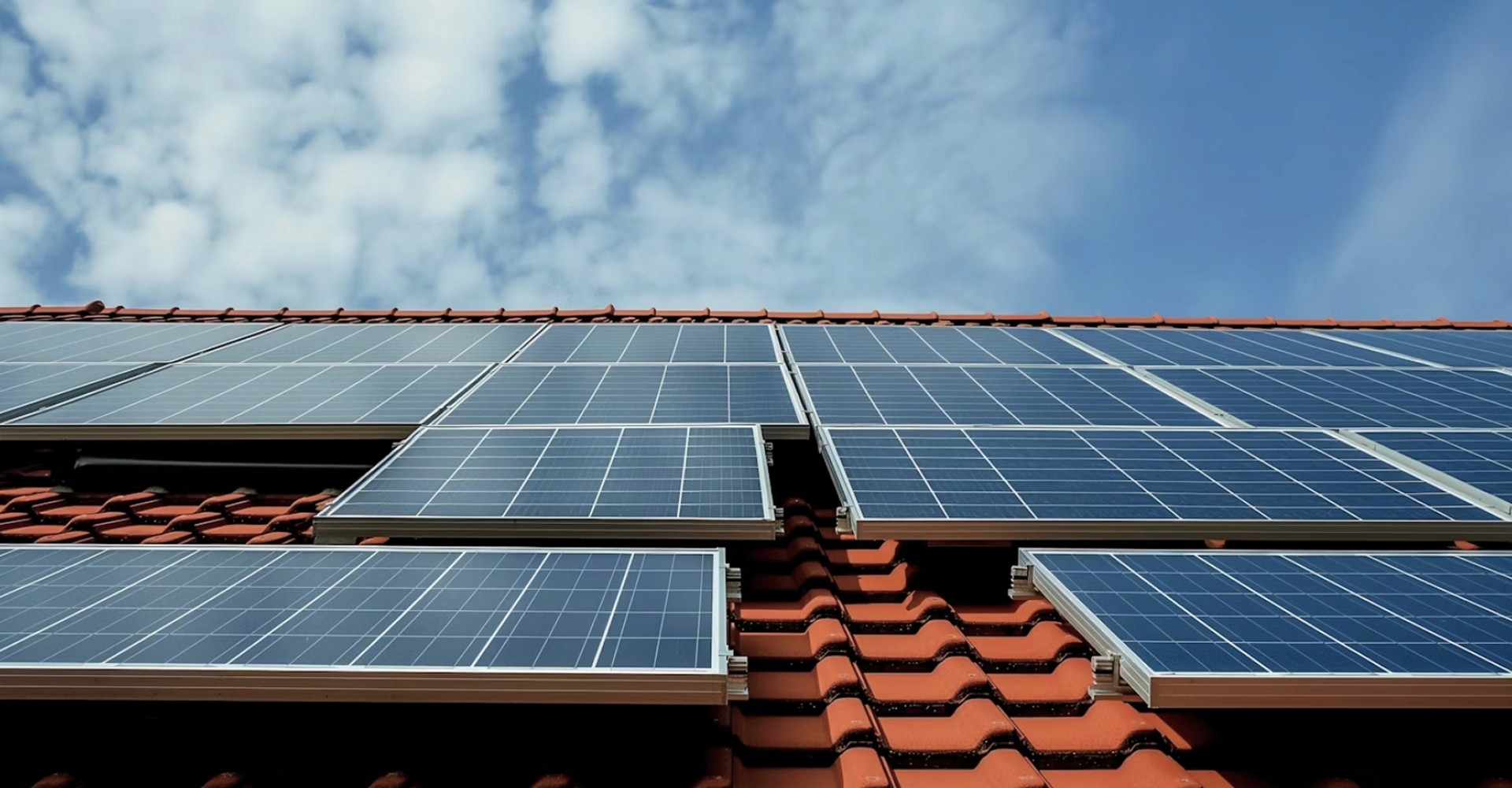
Federal solar tax credits explained for 2025
Finance
Apr 10, 2026
·
5 min read
Federal solar tax credits explained for 2025
Finance
Apr 10, 2026
·
5 min read
Federal solar tax credits explained for 2025
Solar
Apr 22, 2026
·
4 min read
Solar energy trends transforming modern homes
Solar
Apr 22, 2026
·
4 min read
Solar energy trends transforming modern homes
Solar
Apr 22, 2026
·
4 min read