


·
6 min read
·
6 min read
Commercial solar projects driving sustainability goals
Commercial solar projects driving sustainability goals
Introduction
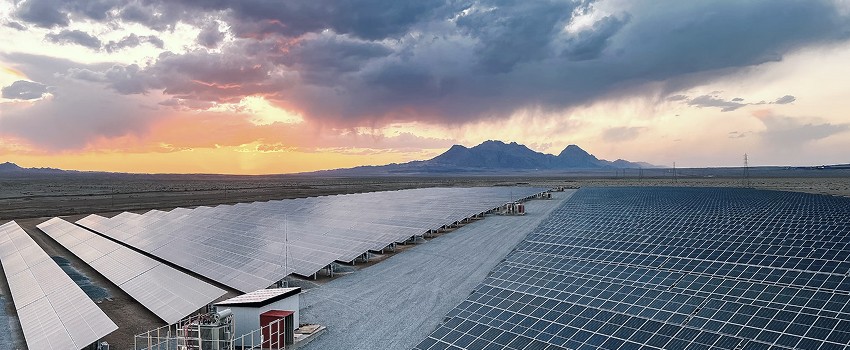
Commercial solar projects are becoming a major driver of sustainability goals for modern businesses across industries. Companies are increasingly adopting solar energy systems to reduce operational costs while improving environmental performance and meeting global climate targets. These large-scale installations help organizations transition away from fossil fuel dependence and move toward cleaner, renewable energy sources.
By integrating solar power into commercial infrastructure, businesses can significantly reduce their carbon footprint and improve long-term energy efficiency. As sustainability becomes a core business priority, commercial solar projects are no longer optional but essential. They support corporate responsibility, enhance brand reputation, and create measurable environmental and financial benefits for organizations worldwide.
Lower environmental impact
Commercial solar projects play a key role in reducing greenhouse gas emissions by replacing traditional electricity sources with clean, renewable solar energy. This shift helps businesses achieve sustainability targets while contributing to global efforts to combat climate change and environmental degradation.
Commercial solar projects have transformed our operations by reducing costs, improving energy reliability, and significantly advancing our sustainability goals.
— Sustainability Director
Commercial solar projects have transformed our operations by reducing costs, improving energy reliability, and significantly advancing our sustainability goals.
— Sustainability Director
Long-term financial savings
One of the major advantages of commercial solar projects is their ability to reduce long-term electricity costs for businesses operating at scale. By generating their own power, companies can protect themselves from rising energy prices and achieve more predictable operational expenses.
Reduces monthly commercial electricity expenses significantly over time
Protects businesses from rising utility price fluctuations
Improves financial stability through predictable energy costs
Increases return on investment for energy infrastructure
Reliable business operations
Commercial solar systems help businesses reduce dependence on traditional energy grids, ensuring more stable and reliable power supply for daily operations. This independence is especially important for industries that require continuous energy access for production, services, and critical infrastructure.
Emerging solar regions
Modern commercial solar projects integrate smart monitoring and automation systems that optimize energy production, distribution, and consumption. These technologies provide businesses with real-time data insights, helping improve efficiency and reduce unnecessary energy waste across operations.
Enables real-time monitoring of energy performance systems
Optimizes energy usage through automated smart controls
Reduces operational energy waste across commercial facilities
Improves decision making through advanced energy analytics
Scalable sustainable systems
Commercial solar installations are designed for scalability, allowing businesses to expand their energy systems as operations grow over time. This flexibility ensures long-term sustainability and supports future expansion without significant infrastructure limitations or energy shortages.
Introduction
Commercial solar projects are becoming a major driver of sustainability goals for modern businesses across industries. Companies are increasingly adopting solar energy systems to reduce operational costs while improving environmental performance and meeting global climate targets. These large-scale installations help organizations transition away from fossil fuel dependence and move toward cleaner, renewable energy sources.
By integrating solar power into commercial infrastructure, businesses can significantly reduce their carbon footprint and improve long-term energy efficiency. As sustainability becomes a core business priority, commercial solar projects are no longer optional but essential. They support corporate responsibility, enhance brand reputation, and create measurable environmental and financial benefits for organizations worldwide.
Lower environmental impact
Commercial solar projects play a key role in reducing greenhouse gas emissions by replacing traditional electricity sources with clean, renewable solar energy. This shift helps businesses achieve sustainability targets while contributing to global efforts to combat climate change and environmental degradation.
Commercial solar projects have transformed our operations by reducing costs, improving energy reliability, and significantly advancing our sustainability goals.
— Sustainability Director
Long-term financial savings
One of the major advantages of commercial solar projects is their ability to reduce long-term electricity costs for businesses operating at scale. By generating their own power, companies can protect themselves from rising energy prices and achieve more predictable operational expenses.
Reduces monthly commercial electricity expenses significantly over time
Protects businesses from rising utility price fluctuations
Improves financial stability through predictable energy costs
Increases return on investment for energy infrastructure
Reliable business operations
Commercial solar systems help businesses reduce dependence on traditional energy grids, ensuring more stable and reliable power supply for daily operations. This independence is especially important for industries that require continuous energy access for production, services, and critical infrastructure.
Emerging solar regions
Modern commercial solar projects integrate smart monitoring and automation systems that optimize energy production, distribution, and consumption. These technologies provide businesses with real-time data insights, helping improve efficiency and reduce unnecessary energy waste across operations.
Enables real-time monitoring of energy performance systems
Optimizes energy usage through automated smart controls
Reduces operational energy waste across commercial facilities
Improves decision making through advanced energy analytics
Scalable sustainable systems
Commercial solar installations are designed for scalability, allowing businesses to expand their energy systems as operations grow over time. This flexibility ensures long-term sustainability and supports future expansion without significant infrastructure limitations or energy shortages.
Related Posts
Related Posts
Savings
May 8, 2026
·
6 min read
How much can you really save with solar?
Savings
May 8, 2026
·
6 min read
How much can you really save with solar?
Savings
May 8, 2026
·
6 min read
How much can you really save with solar?
Technology
Apr 22, 2026
·
4 min read
Why solar battery storage matters for modern homes
Technology
Apr 22, 2026
·
4 min read
Why solar battery storage matters for modern homes
Technology
Apr 22, 2026
·
4 min read
Why solar battery storage matters for modern homes
Finance
Apr 10, 2026
·
5 min read
Federal solar tax credits explained for 2025
Finance
Apr 10, 2026
·
5 min read
Federal solar tax credits explained for 2025
Finance
Apr 10, 2026
·
5 min read