


·
5 min read
·
5 min read
How solar panels reduce electricity bills fast
How solar panels reduce electricity bills fast
Introduction
Electricity prices continue rising globally, making homeowners and businesses search for more reliable and affordable energy alternatives. Solar panels have become one of the fastest-growing solutions for reducing monthly electricity expenses while improving long-term energy independence. Modern solar systems generate clean electricity directly from sunlight, allowing properties to rely less on traditional utility providers.
This significantly lowers grid energy consumption and reduces the overall amount paid toward monthly electricity bills. Beyond immediate savings, solar technology also provides predictable long-term energy costs and protects users from future utility price increases. As solar systems become more efficient and accessible, they are transforming how modern properties manage energy expenses sustainably.
Generating your own power
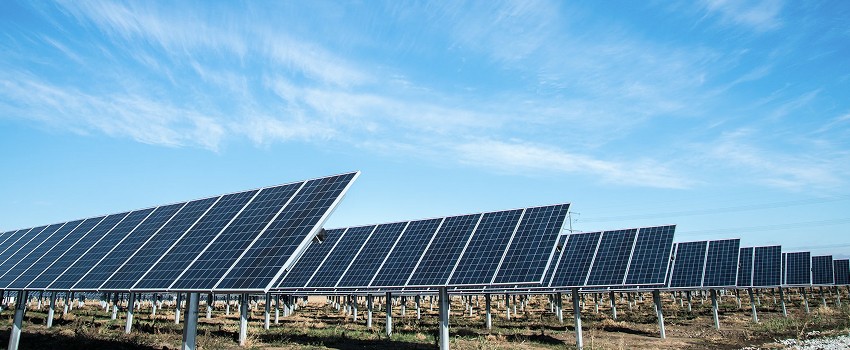
Solar panels generate electricity directly from sunlight, allowing homes and businesses to power appliances, lighting, and equipment using renewable energy instead of purchasing electricity entirely from utility providers.
The more energy produced by the solar system, the lower the dependency on external grid electricity. This creates immediate reductions in monthly energy expenses from the first day of operation.
Installing solar panels dramatically reduced our electricity costs while improving energy reliability and long-term financial stability.
— Residential Energy Director
Installing solar panels dramatically reduced our electricity costs while improving energy reliability and long-term financial stability.
— Residential Energy Director
Lower High-Cost Consumption
Electricity costs are often highest during peak demand hours when utility providers increase pricing rates. Solar systems help offset this expensive energy usage by supplying electricity during daytime peak periods. This reduces the amount of costly electricity purchased from the grid and helps stabilize monthly energy expenses for residential and commercial properties.
Reduces expensive daytime electricity usage during peak pricing periods
Supplies renewable energy when household demand remains consistently highest
Minimizes utility provider charges through solar energy production systems
Improves overall household energy efficiency and consumption management significantly
Extra energy savings
Many solar systems allow users to send unused electricity back to the grid through net metering programs, creating additional financial credits that further reduce utility bills. Excess energy generated during sunny periods can offset nighttime electricity usage, maximizing the financial value of residential and commercial solar systems over time.
Maximizing solar usage
Battery storage systems help homeowners store unused solar electricity for later use, improving energy independence and reducing expensive nighttime grid electricity consumption. Modern storage systems optimize energy usage by balancing solar production, battery charging, and household demand automatically throughout the day and night.
Stores unused daytime solar electricity for nighttime energy usage
Reduces dependency on traditional grid electricity during evening hours
Improves household energy reliability and backup power availability significantly
Maximizes efficiency of residential renewable energy management systems consistently
Sustainable energy investment
Solar systems provide long-term financial benefits by reducing monthly electricity expenses while increasing property value and improving energy efficiency over many years. As utility costs continue rising, solar installations create predictable energy expenses and stronger financial stability for homeowners and businesses investing in renewable energy technologies.
Introduction
Electricity prices continue rising globally, making homeowners and businesses search for more reliable and affordable energy alternatives. Solar panels have become one of the fastest-growing solutions for reducing monthly electricity expenses while improving long-term energy independence. Modern solar systems generate clean electricity directly from sunlight, allowing properties to rely less on traditional utility providers.
This significantly lowers grid energy consumption and reduces the overall amount paid toward monthly electricity bills. Beyond immediate savings, solar technology also provides predictable long-term energy costs and protects users from future utility price increases. As solar systems become more efficient and accessible, they are transforming how modern properties manage energy expenses sustainably.
Generating your own power
Solar panels generate electricity directly from sunlight, allowing homes and businesses to power appliances, lighting, and equipment using renewable energy instead of purchasing electricity entirely from utility providers.
The more energy produced by the solar system, the lower the dependency on external grid electricity. This creates immediate reductions in monthly energy expenses from the first day of operation.
Installing solar panels dramatically reduced our electricity costs while improving energy reliability and long-term financial stability.
— Residential Energy Director
Lower High-Cost Consumption
Electricity costs are often highest during peak demand hours when utility providers increase pricing rates. Solar systems help offset this expensive energy usage by supplying electricity during daytime peak periods. This reduces the amount of costly electricity purchased from the grid and helps stabilize monthly energy expenses for residential and commercial properties.
Reduces expensive daytime electricity usage during peak pricing periods
Supplies renewable energy when household demand remains consistently highest
Minimizes utility provider charges through solar energy production systems
Improves overall household energy efficiency and consumption management significantly
Extra energy savings
Many solar systems allow users to send unused electricity back to the grid through net metering programs, creating additional financial credits that further reduce utility bills. Excess energy generated during sunny periods can offset nighttime electricity usage, maximizing the financial value of residential and commercial solar systems over time.
Maximizing solar usage
Battery storage systems help homeowners store unused solar electricity for later use, improving energy independence and reducing expensive nighttime grid electricity consumption. Modern storage systems optimize energy usage by balancing solar production, battery charging, and household demand automatically throughout the day and night.
Stores unused daytime solar electricity for nighttime energy usage
Reduces dependency on traditional grid electricity during evening hours
Improves household energy reliability and backup power availability significantly
Maximizes efficiency of residential renewable energy management systems consistently
Sustainable energy investment
Solar systems provide long-term financial benefits by reducing monthly electricity expenses while increasing property value and improving energy efficiency over many years. As utility costs continue rising, solar installations create predictable energy expenses and stronger financial stability for homeowners and businesses investing in renewable energy technologies.
Related Posts
Related Posts

Savings
May 8, 2026
·
6 min read
How much can you really save with solar?
Savings
May 8, 2026
·
6 min read
How much can you really save with solar?
Savings
May 8, 2026
·
6 min read
How much can you really save with solar?

Technology
Apr 22, 2026
·
4 min read
Why solar battery storage matters for modern homes
Technology
Apr 22, 2026
·
4 min read
Why solar battery storage matters for modern homes
Technology
Apr 22, 2026
·
4 min read
Why solar battery storage matters for modern homes
Finance
Apr 10, 2026
·
5 min read
Federal solar tax credits explained for 2025
Finance
Apr 10, 2026
·
5 min read
Federal solar tax credits explained for 2025
Finance
Apr 10, 2026
·
5 min read