

·
6 min read
·
6 min read
Hybrid solar systems for business efficiency growth
Hybrid solar systems for business efficiency growth
Introduction
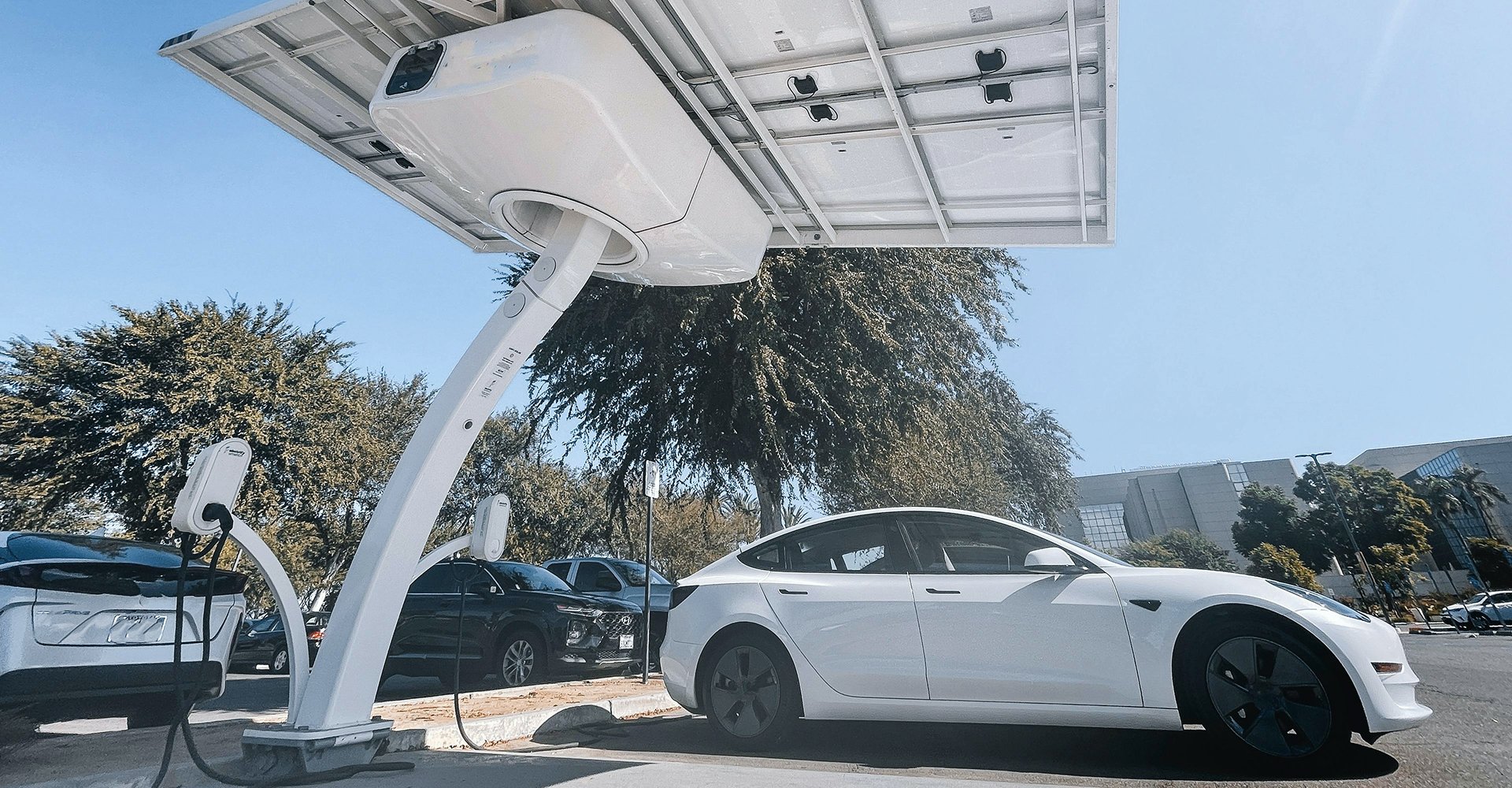
Hybrid solar systems are rapidly becoming a key solution for businesses looking to improve energy efficiency, reduce operational costs, and achieve long-term sustainability goals. By combining solar power generation with battery storage and grid connectivity, businesses gain greater control over their energy usage.
These systems allow companies to intelligently manage electricity consumption based on demand, availability, and cost fluctuations. This ensures uninterrupted operations while minimizing reliance on expensive grid electricity during peak hours. As global energy prices continue to rise, hybrid solar systems are transforming how businesses approach power management. They offer a balanced, reliable, and scalable energy solution that supports both financial efficiency and environmental responsibility.
Smarter power management
Hybrid systems optimize energy usage by intelligently balancing solar generation, battery storage, and grid electricity to ensure maximum efficiency and minimum waste. This smart energy distribution helps businesses maintain stable operations while reducing unnecessary electricity expenses across different operational hours.
Hybrid solar systems transformed our business operations by reducing costs, improving reliability, and supporting sustainable.
— Energy Operations Manager

Hybrid solar systems transformed our business operations by reducing costs, improving reliability, and supporting sustainable.
— Energy Operations Manager
Lower operational expenses
One of the biggest advantages of hybrid solar systems is their ability to significantly reduce business energy expenses by minimizing dependency on expensive grid electricity. Stored solar energy can be used during peak pricing periods, helping businesses maintain predictable and lower operational costs throughout the year.
Reduces monthly electricity bills for commercial operations
Minimizes dependency on expensive utility grid electricity usage
Stores solar energy for high-cost peak demand hours
Improves long-term financial stability and cost control
Continuous business operations
Hybrid systems ensure uninterrupted power supply even during grid failures or unstable energy conditions, making them ideal for critical business operations. Battery storage provides backup electricity, allowing businesses to continue operations without disruption and maintain productivity at all times.
Cleaner business operations
Hybrid solar systems support sustainability goals by reducing carbon emissions and enabling businesses to operate with cleaner, renewable energy sources. This transition not only improves environmental performance but also strengthens brand reputation in an increasingly eco-conscious market.
Reduces carbon emissions from traditional energy consumption
Supports corporate sustainability and green energy goals
Improves brand image through renewable energy adoption
Encourages long-term environmentally responsible business operations
Intelligent Energy Control
Advanced monitoring systems allow businesses to track energy production, usage, and storage in real time for better decision-making and optimization. These insights help organizations improve efficiency, reduce waste, and plan energy usage more effectively across departments and facilities. Hybrid solar systems are evolving into scalable energy solutions that support growing business demands while maintaining efficiency and sustainability.
Future advancements will further improve automation, storage capacity, and integration with smart business infrastructure systems.
Introduction
Hybrid solar systems are rapidly becoming a key solution for businesses looking to improve energy efficiency, reduce operational costs, and achieve long-term sustainability goals. By combining solar power generation with battery storage and grid connectivity, businesses gain greater control over their energy usage.
These systems allow companies to intelligently manage electricity consumption based on demand, availability, and cost fluctuations. This ensures uninterrupted operations while minimizing reliance on expensive grid electricity during peak hours. As global energy prices continue to rise, hybrid solar systems are transforming how businesses approach power management. They offer a balanced, reliable, and scalable energy solution that supports both financial efficiency and environmental responsibility.
Smarter power management
Hybrid systems optimize energy usage by intelligently balancing solar generation, battery storage, and grid electricity to ensure maximum efficiency and minimum waste. This smart energy distribution helps businesses maintain stable operations while reducing unnecessary electricity expenses across different operational hours.
Hybrid solar systems transformed our business operations by reducing costs, improving reliability, and supporting sustainable.
— Energy Operations Manager
Lower operational expenses
One of the biggest advantages of hybrid solar systems is their ability to significantly reduce business energy expenses by minimizing dependency on expensive grid electricity. Stored solar energy can be used during peak pricing periods, helping businesses maintain predictable and lower operational costs throughout the year.
Reduces monthly electricity bills for commercial operations
Minimizes dependency on expensive utility grid electricity usage
Stores solar energy for high-cost peak demand hours
Improves long-term financial stability and cost control
Continuous business operations
Hybrid systems ensure uninterrupted power supply even during grid failures or unstable energy conditions, making them ideal for critical business operations. Battery storage provides backup electricity, allowing businesses to continue operations without disruption and maintain productivity at all times.
Cleaner business operations
Hybrid solar systems support sustainability goals by reducing carbon emissions and enabling businesses to operate with cleaner, renewable energy sources. This transition not only improves environmental performance but also strengthens brand reputation in an increasingly eco-conscious market.
Reduces carbon emissions from traditional energy consumption
Supports corporate sustainability and green energy goals
Improves brand image through renewable energy adoption
Encourages long-term environmentally responsible business operations
Intelligent Energy Control
Advanced monitoring systems allow businesses to track energy production, usage, and storage in real time for better decision-making and optimization. These insights help organizations improve efficiency, reduce waste, and plan energy usage more effectively across departments and facilities. Hybrid solar systems are evolving into scalable energy solutions that support growing business demands while maintaining efficiency and sustainability.
Future advancements will further improve automation, storage capacity, and integration with smart business infrastructure systems.
Related Posts
Related Posts
Savings
May 8, 2026
·
6 min read
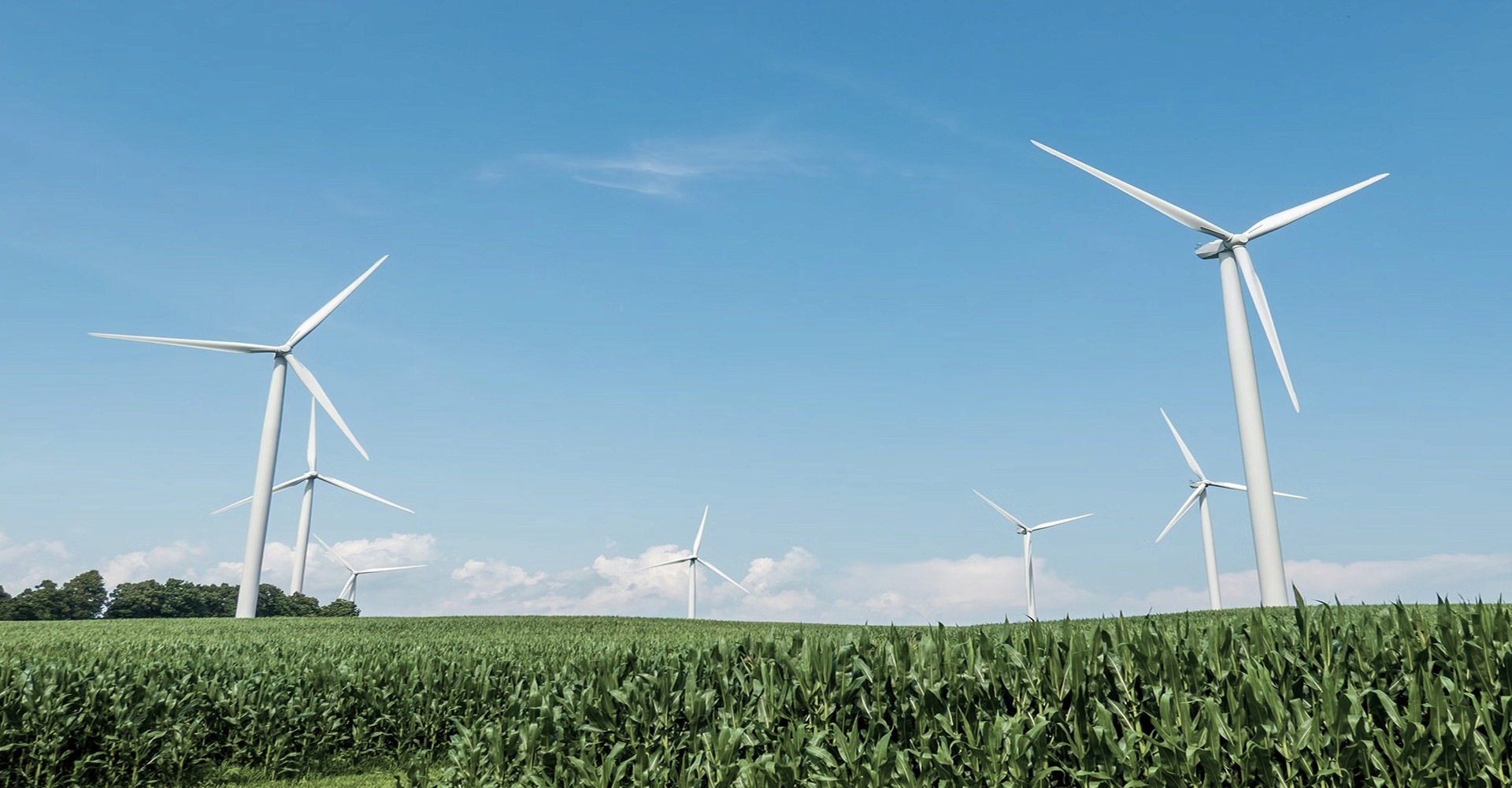
How much can you really save with solar?
Savings
May 8, 2026
·
6 min read
How much can you really save with solar?
Savings
May 8, 2026
·
6 min read
How much can you really save with solar?
Technology
Apr 22, 2026
·
4 min read
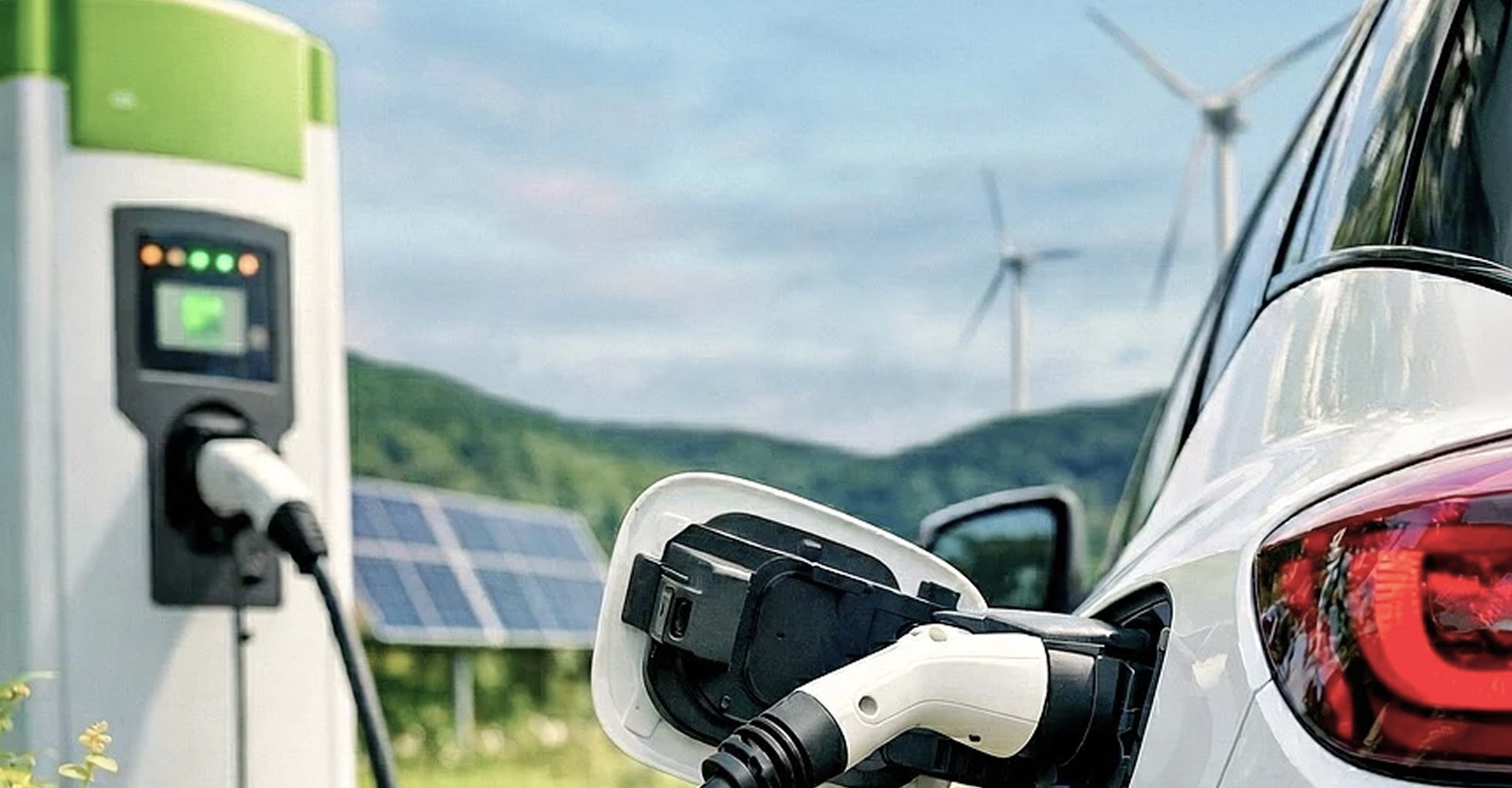
Why solar battery storage matters for modern homes
Technology
Apr 22, 2026
·
4 min read
Why solar battery storage matters for modern homes
Technology
Apr 22, 2026
·
4 min read
Why solar battery storage matters for modern homes
Finance
Apr 10, 2026
·
5 min read
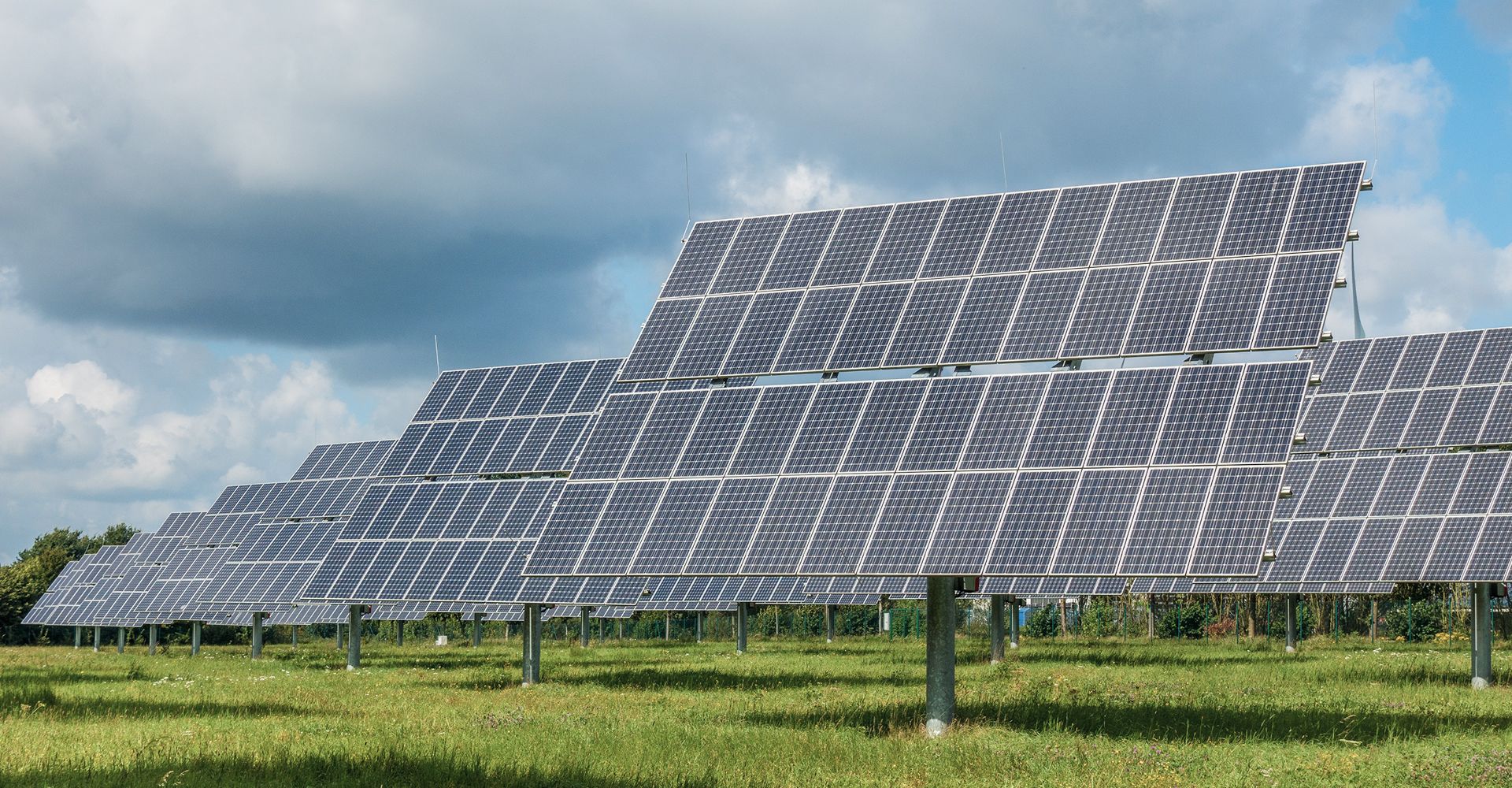
Federal solar tax credits explained for 2025
Finance
Apr 10, 2026
·
5 min read
Federal solar tax credits explained for 2025
Finance
Apr 10, 2026
·
5 min read